

Welcome to the Counseling Center
The Counseling Center provides counseling services to currently enrolled undergraduate, graduate, and adult learners at DeSales University.

Counseling Center Services
Individual Counseling
Group Counseling
Group counseling provides a safe space for students to connect with peers, share experiences, and learn new skills. Facilitated by our professional counselors, group counseling offers support, encouragement, and opportunities for personal growth through shared understanding.
Outreach & Workshops
Our counseling center staff offer educational programs, presentations, and interactive workshops on a variety of mental health and wellness topics throughout the year. These services are designed to promote resilience, increase awareness, and provide practical skills that support student success.
Consultation
FAQs
College can be both rewarding and challenging. Counseling provides a safe, supportive, and confidential space to explore concerns, develop coping strategies, and work toward personal goals.
Students seek counseling for many reasons, including:
- Adjustment to College/Homesickness
- Anxiety
- Assault, Abuse, and Harassment
- Depression
- Eating Concerns
- Family Dynamics
- Grief & Loss
- Life Transitions
- Loneliness
- Obsessions & Compulsions
- Perfectionism
- Relationship Issues
- Self-Esteem
- Self-Harm
- Traumatic Experiences
Counseling can help you better understand yourself, build resilience, strengthen relationships, and develop practical tools for navigating life's challenges. Whether you're experiencing a significant concern or simply looking for additional support, the Counseling Center is here to help you thrive both personally and academically.
Your privacy is important to us. Services provided through the Wellness Center are confidential, which means that information shared during counseling sessions is not released to parents, professors, friends, or other university personnel without your written permission. There are, however, a few legal and ethical exceptions to confidentiality.
Counselors may be required to disclose information if:
- There is reason to suspect you are at imminent risk of serious harm to yourself
- You share information about a planned criminal act or violation of the law that would result in serious harm to someone else
- There is reason to suspect abuse or neglect of a child, elderly person, or vulnerable adult
- You disclose another counselor has sexually abused you while in a counseling relationship
- A court of law subpoenas information shared by you with your counselor
- You sign a release of information to request information be given to another party
- You were referred to counseling as part of a conduct or intervention process. Your counselor may provide confirmation of your attendance and completion of requirements to attend counseling to the referring party. The content of counseling sessions will remain confidential unless you provide written permission for additional information to be shared.
To support the highest quality of care, counseling staff may consult with one another about your treatment. These consultations are conducted in a professional and confidential manner, and all individuals involved are expected to protect the privacy of your information.
The Counseling Center strives to create a safe, supportive environment where students can openly discuss personal concerns and seek help without fear of judgment. If you have questions about confidentiality or its limits, your counselor will be happy to discuss them with you.
The DeSales University Counseling Center provides services to currently enrolled undergraduate students, graduate students, and adult learners at no additional cost. There are no session fees, copays, or insurance requirements to access services.
Our goal is to ensure that students can receive support when they need it without financial barriers. Whether you are facing a specific concern, navigating a difficult transition, or seeking personal growth, counseling services are available as part of the University's commitment to student well-being.
If a student's needs require specialized or long-term care beyond the scope of campus services, Wellness Center staff can assist with referrals to community providers and other appropriate resources.
The DeSales University Counseling Center operates from a short-term counseling model, which is designed to help students identify concerns, develop effective coping strategies, build resilience, and make progress toward their personal and academic goals.
We are committed to working with all students who seek support and will tailor services to address their individual needs and concerns. The length and frequency of counseling are determined collaboratively between the student and counselor based on presenting concerns, treatment goals, and available resourcesNo. Utilizing counseling services does not become part of your academic record, transcript, or educational file. Counseling records are maintained separately from University academic records and are protected by confidentiality standards.
DeSales University Counseling Center Scope of Practice
Purpose
Population Served
Services Provided
The Counseling Center provides a range of mental health services, which may include:
- Individual counseling
- Crisis assessment and intervention
- Group counseling and workshops
- Consultation with faculty, staff, students, and parents
- Outreach and prevention programming
- Referral support
- Coordination of care with campus and community partners, when appropriate and authorized
Counseling Center clinicians utilize evidence-based practices and work collaboratively with students to support symptom reduction, skill development, personal growth, resilience, and improved functioning.
Assessment, Diagnosis, and Documentation
Counseling Center clinicians conduct clinical assessments as part of providing mental health treatment and may utilize diagnostic impressions when clinically appropriate to inform case conceptualization, treatment planning, level-of-care decisions, and coordination of care.
The primary purpose of Counseling Center services is treatment rather than diagnostic evaluation. As such, the Counseling Center does not routinely provide comprehensive diagnostic assessments, formal psychological evaluations, or diagnostic documentation for the purpose of establishing eligibility for accommodations, disability services, academic petitions, legal proceedings, employment matters, or other third-party requirements.
While clinicians may discuss diagnostic impressions with students when clinically indicated, Counseling Center services are focused on supporting student well-being and treatment goals rather than providing diagnostic documentation. Students seeking comprehensive diagnostic evaluations or formal documentation will be referred to appropriate community providers.
Scope and Limits of Care
Factors that may indicate a need for referral include:
- A need for multiple counseling sessions per week
- A need for ongoing, open-ended psychotherapy
- Significant functional impairment that interferes with participation in academic or daily activities
- A need for intensive case management
- Elevated safety concerns requiring frequent monitoring
- A need for structured treatment programs such as intensive outpatient treatment, partial hospitalization, residential treatment, or inpatient care
- Clinical needs that require resources beyond the Counseling Center's staffing or service model
Individualized Assessment and Care Planning
The Counseling Center recognizes that determining the most appropriate level of care involves consideration of both clinical needs and individual circumstances. Decisions regarding ongoing treatment, referral, or transition of care are made on a case-by-case basis and are informed by clinical judgment, student preferences, and available resources.When evaluating treatment recommendations, clinicians may consider factors such as:
- Symptom severity and level of distress
- Impact on academic, social, and daily functioning
- Safety concerns and need for monitoring
- Frequency and intensity of services required
- Student goals and treatment preferences
- Availability of natural and community supports
- Accessibility of community resources, including financial, transportation, insurance, and scheduling considerations
- The student's ability to engage with off-campus services independently
- The availability of appropriate referral options in the community
Referral Support and Continuity of Care
When a student's needs are best met through services outside the Counseling Center, clinicians will make reasonable efforts to support the transition of care.
Support may include:
- Identifying referral options
- Assisting students in understanding available resources
- Facilitating coordination with providers when appropriate and authorized
- Helping students address barriers to accessing treatment.
Commitment to Care
- The DeSales University Counseling Center strives to provide accessible, equitable, and student-centered mental health care. This commitment includes serving students with a wide range of mental health concerns whenever those needs can be safely and effectively addressed within the DeSales University Counseling Center's service model. Decisions regarding treatment, referral, and continuity of care are based on individualized clinical assessment, level-of-care considerations, and each student's unique circumstances, with the goal of promoting student well-being and access to appropriate support.
Meet the Team
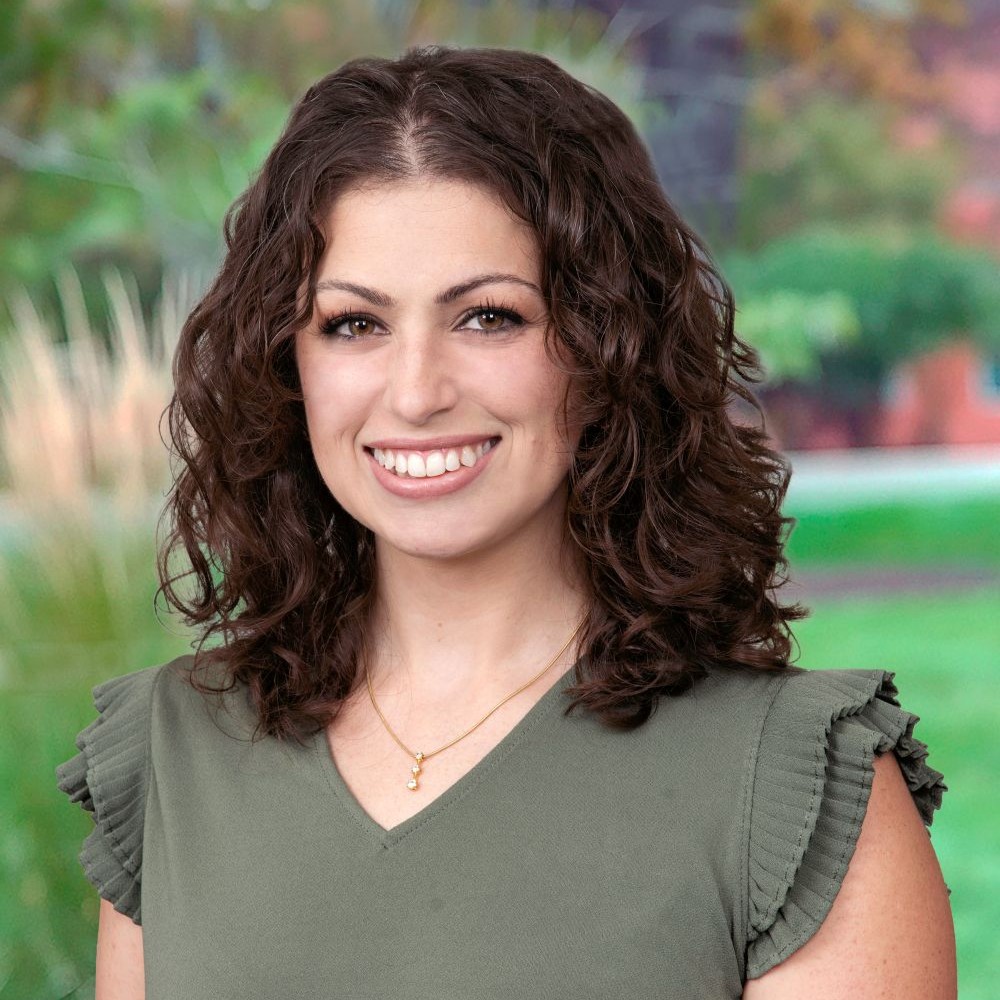
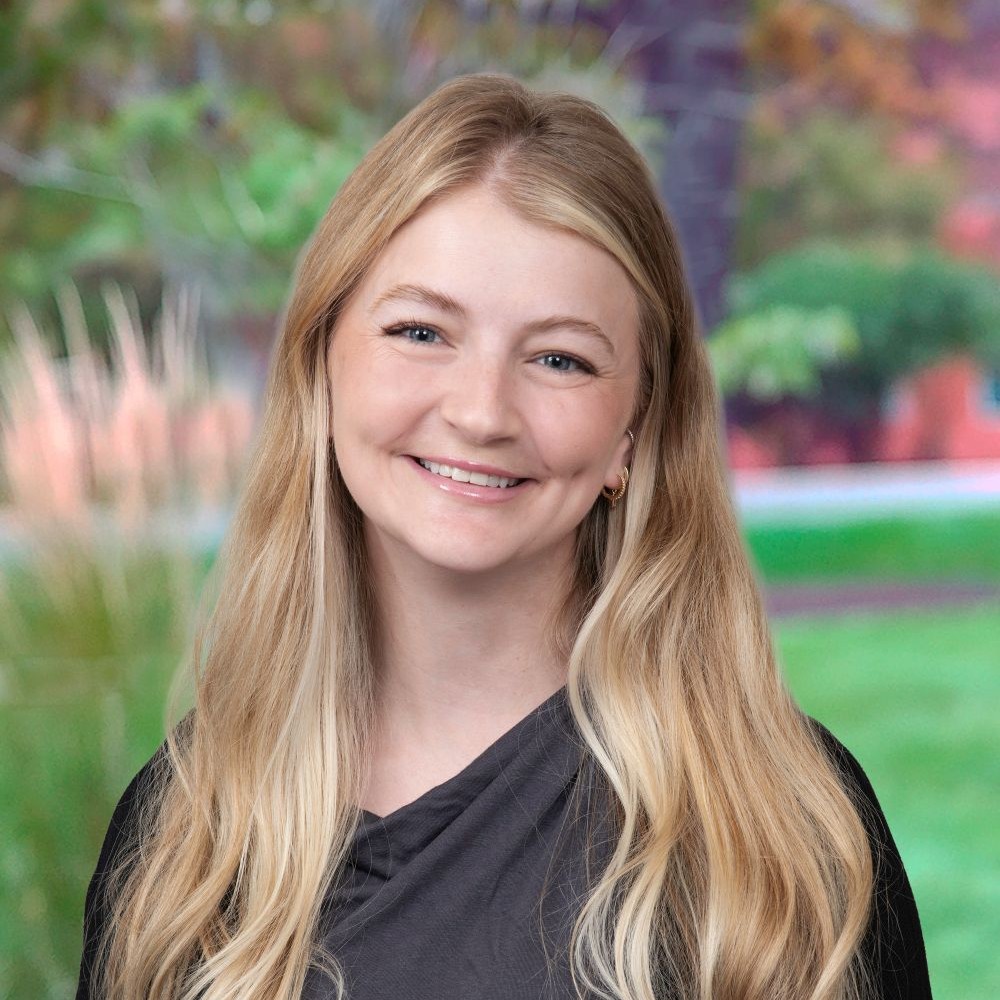
Counseling Center Staff


Health & Wellness Center
Contact
-
610-282-1100 x1462 -
Dorothy Day Student Union
